Facial fascia treatment
Facial fascia treatment is a gentle yet deeply effective manual treatment of the connective-tissue network of the skull, face, neck, and temporomandibular joint. Because sensory receptors, cranial nerve exit points, and facial muscles are extremely densely located in the face and head area, facial fascia treatment has a direct effect on the functioning of the nervous system.
Through regulation of the nervous system, facial fascia treatment intervenes in rehabilitation via the following mechanisms:
Releasing cranial nerves and tension at the base of the skull: The fascial network of the face, temples, and jaw is in direct physical and neural connection with the base of the skull and the cervical spine, where many important cranial nerves (including the cervical branches of the vagus nerve) pass through. The treatment eliminates structural compression, unloading these neural pathways.
Reducing nociception: The facial area is predominantly innervated by the 5th cranial nerve (trigeminal), which is closely connected to the pain pathways of the upper cervical spinal cord. Gentle fascial release reduces chronic irritation of trigeminal nerve endings, easing not only facial and jaw pain but also tension headaches and neck stiffness.
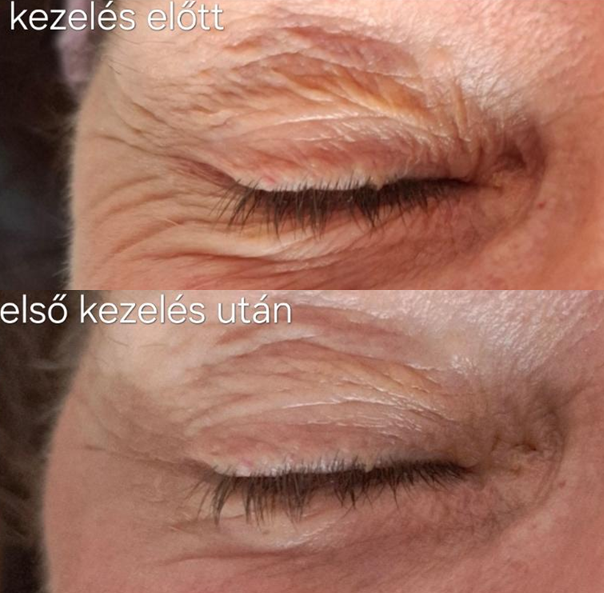
Activating the limbic system and the parasympathetic nervous system: The facial skin and the fascia beneath it are extremely rich in mechanoreceptors and free nerve endings that send direct signals to the brain’s emotional center (the limbic system) and the brainstem. Slow, safe, rhythmic facial treatment immediately signals to the brain that danger has passed, switching off the sympathetic “fight or flight” response and initiating vagus-nerve-mediated relaxation.
The use of facial fascia treatment for musculoskeletal complaints and pain is especially important because tensions in the face and chewing system affect the body’s entire support system like a chain reaction:
Releasing craniomandibular (jaw–spine) chains: Tension in the temporomandibular joint (TMJ) and the chewing muscles (e.g., due to teeth grinding) directly influences head position, neck muscle tone, and even healthy biomechanics of the pelvis and spine through fascial chains. Facial treatment eliminates this hidden, upper-body postural compensation.
Harmonizing the facial muscles and cervical fascia: The fascial chains of the face, throat, and chest form a unified whole. Adhered facial and neck tissues hinder free breathing and head rotation; the treatment restores the gliding capacity of these layers, improving posture and local microcirculation.
Proprioceptive “reset” and updating the body map: Position-sense information coming from the head and face is fundamental for balance and spinal stabilization. Facial fascia treatment sends clear, undisturbed proprioceptive signals to the central nervous system, helping the brain reorganize symmetrical, tension-free movement patterns.
Dismantling compensations under chronic stress: Because stress and pain are stored first in the face (involuntary clenching, frowning) and in the chewing muscles, facial treatment breaks through the barrier that maintains high whole-body tone and the pain threshold, creating the foundation for full-body physical and nervous-system regeneration.