Functional scar integration – painless scar treatment
Surgical scars, burn injuries, and adhesions can affect movement, the function of internal organs, and the mobility of joints and tissues, and they can even impact the nervous system and mental state. They can cause restricted movement, tissue tension, pain, sensory loss, hypersensitivity, and itching. A scar
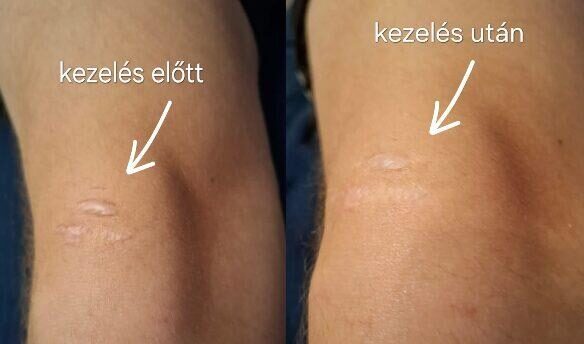
can also influence self-image. Just think about it: before and after abdominal or chest surgery or a C-section, for example,
wearing a swimsuit, going to the beach. Scars can therefore represent physical, bodily, and mental/emotional barriers as well. Scars can limit daily routine, and they can also greatly impair and influence sports performance. Scars—no matter how old they are and no matter how small or large—can be addressed, and in fact are worth addressing,
because proper treatment brings significant improvement, often within a very short time. Every scar is different and unique, so every treatment will be different too. It can easily happen that scar treatment after two identical surgical procedures will build up in completely different ways. During treatment, our goal is for every previously “tangled,” painful texture to become released and pain-free.
Scars and adhesions
- Scars after abdominal, internal organ, organ removal surgeries (including laparoscopic scars!)
- Scar after C-section (even multiple)
- Oncological scars
- Burn injuries
- Surgical scars on any area of the body, scars on limbs
- Scars after plastic surgery procedures
- Scars from prosthesis surgery
- Mole removal
- Vaccination sites, anesthesia injection sites
- Dental procedures
- Internal traumas caused by blows, bites, etc.
- Adhesions can develop after inflammatory conditions (e.g., endometriosis), abdominal surgeries, the formation of scar tissue, or due to adhesions that develop from prolonged sitting, in autoimmune conditions, etc.
Painless scar treatment focuses on gently retuning, without trauma, the nerve endings running through the scar tissue and the deeper fascial layers. Because painful or adhered scars continuously irritate the nervous system, gentle treatment fundamentally changes the dialogue between the tissues and the brain.
Painless scar treatment intervenes in rehabilitation through regulation of the nervous system via the following mechanisms:
Stopping nociceptive firing and reducing sensitization: Traditional, painful scar treatments (for example, forceful rubbing or tearing) send the message to the brain that the body is being injured, which increases sympathetic nervous system firing and pain. In contrast, a painless technique using micro-grips interrupts the flow of chronic pain input (nociception) toward the spinal cord, reducing excessive sensitivity of the central nervous system.
Retuning scar mechanoreceptors: In addition to free nerve endings in the scar, mechanoreceptors are also important, as they respond to pressure and displacement. Painless stretches and gentle gliding teach the nervous system that movement around the scar is no longer dangerous, so the brain dismantles protective spasms.
Autonomic nervous system balance (activating parasympathetic tone): Painless stimulation does not trigger a stress response; in fact, through a sense of safety it activates the vagus nerve, creating a state of deep relaxation. This biological environment is essential for the nervous system to release chronic muscle tensions.
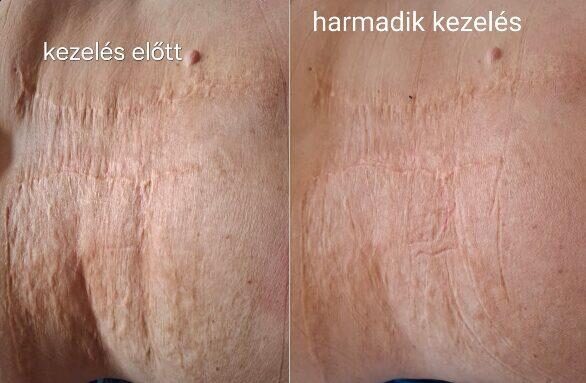
Applying painless scar treatment is especially important in cases of musculoskeletal complaints and pain because it breaks through the biomechanical and nervous-system barriers caused by scarring:
Tissue glide and mechanical tension release: Scar tissue often fixes the fascia and subcutaneous layers deeply, making movement of surrounding muscles more difficult. Painless release restores a more organized structure of collagen fibers and the ability of layers to glide over one another, eliminating micro-tensions that pull on nerves.
Correction of the body map and proprioception: Painful, hypersensitive, or numb scars create a “blind spot” in the brain’s body map, leading to distorted movements. Gentle, painless techniques send clear, high-quality proprioceptive signals back to the central nervous system, helping restore symmetrical and coordinated movement patterns.
Kick-starting local microcirculation and regeneration: As a result of painless treatment, capillaries dilate locally, improving the scar’s oxygen and nutrient supply, while the biological remodeling of excess, rigid scar tissue begins.
Increasing movement comfort and the pain threshold: When the scar no longer restricts movement and no longer sends continuous alarm signals to the brain, the client is freed from subconscious or conscious fear of movement. In parallel, the body’s overall pain threshold rises, enabling more effective and freer musculoskeletal rehabilitation.